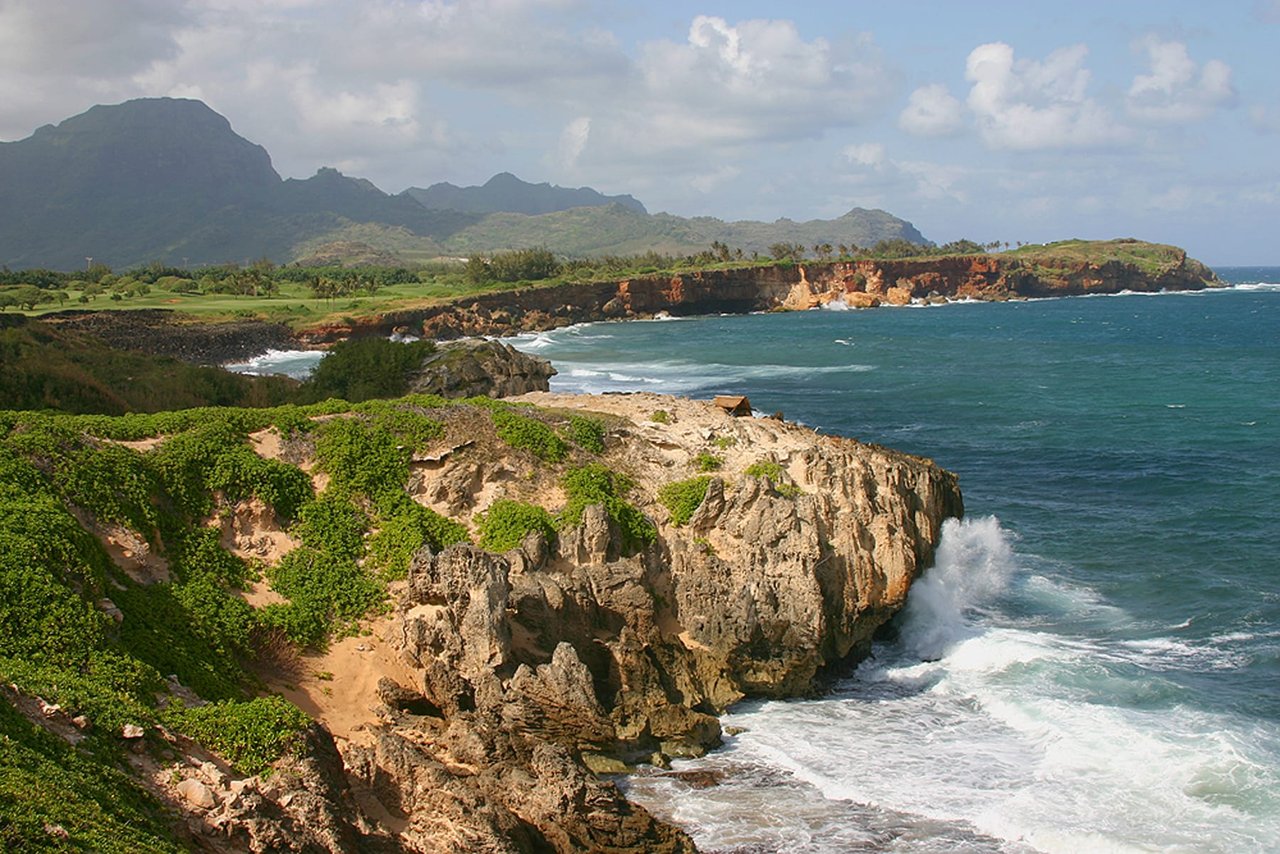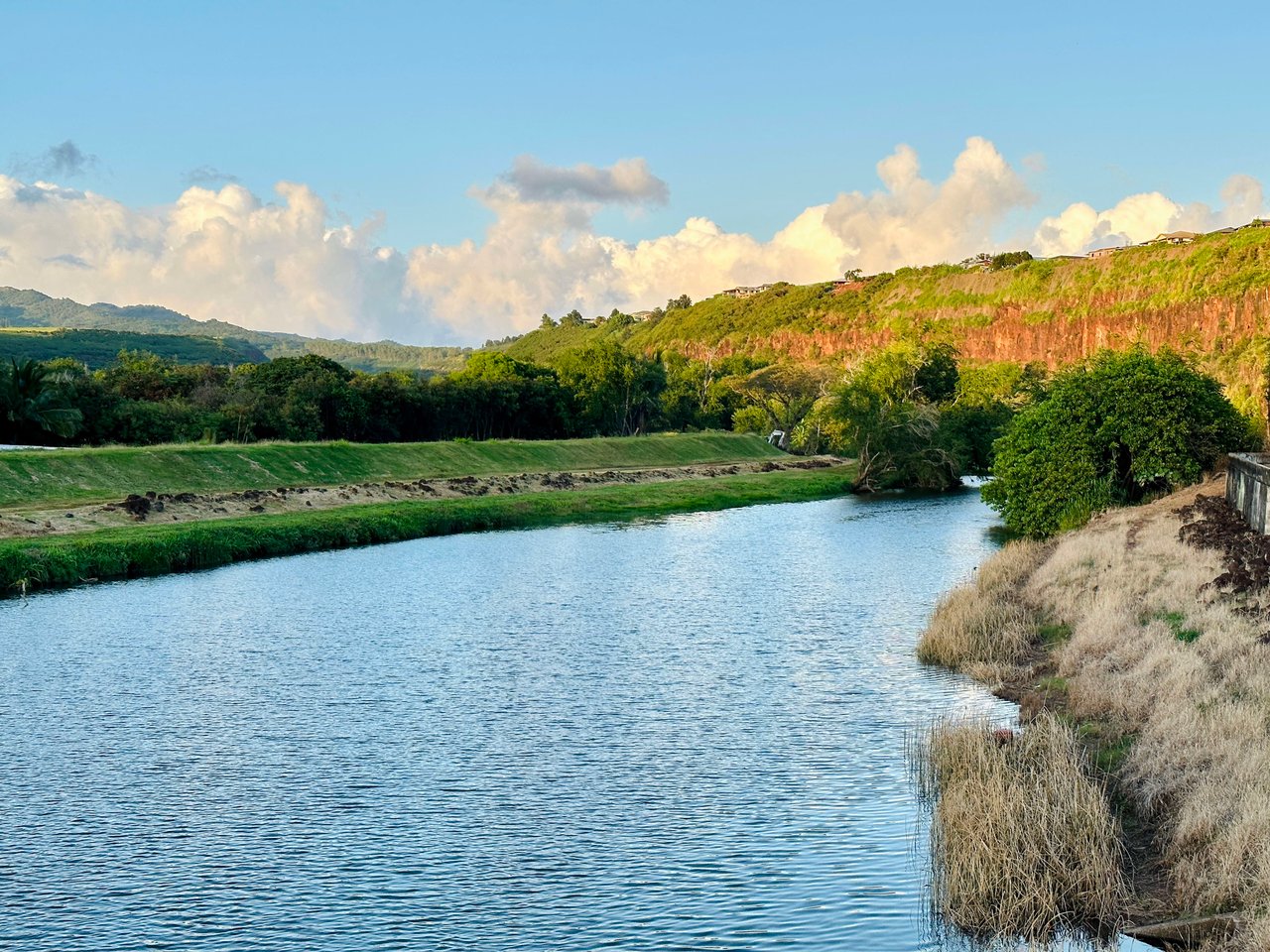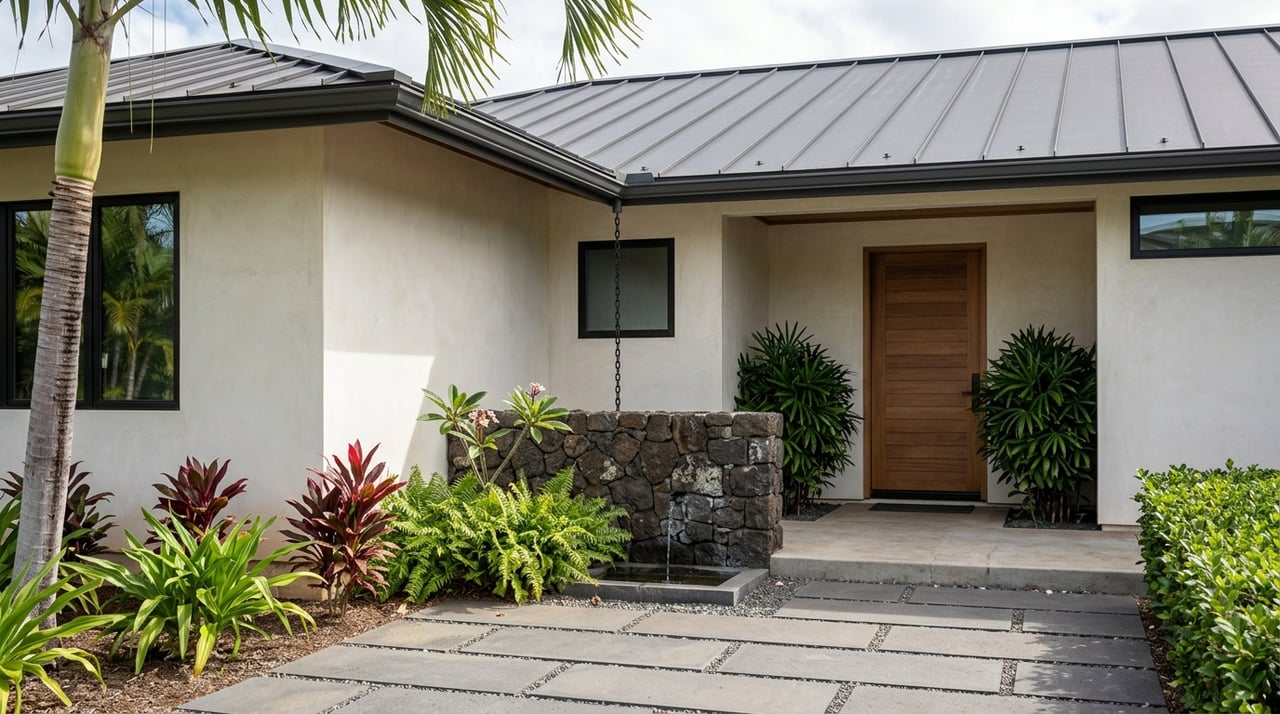
If you’re trying to choose between Kalaheo and Lawai for your Kauai home, you’re not alone. Both areas offer a more residential South Shore lifestyle than the resort-heavy parts of Poipu and Koloa, but they do not feel exactly the same. Understanding how they differ can help you narrow your search, set better expectations, and find the right fit for the way you want to live. Let’s dive in.
Kalaheo vs. Lawai at a Glance
If you want the shortest version, here it is: Kalaheo tends to feel more upcountry, residential, and service-oriented, while Lawai feels quieter, smaller in scale, and a bit closer to the Koloa-Poipu corridor.
According to the County of Kauai’s South Kauai planning framework, Kalaheo, Lawai, Koloa, Omao, and Poipu are treated as distinct towns rather than one continuous suburban area. That matters because the land use, commercial patterns, and day-to-day feel change as you move through the South Shore.
For many buyers, the decision comes down to a simple question. Do you want a more established mauka residential setting with practical local services nearby, or a lower-profile area that feels more rural and tucked away?
Kalaheo’s Feel and Setting
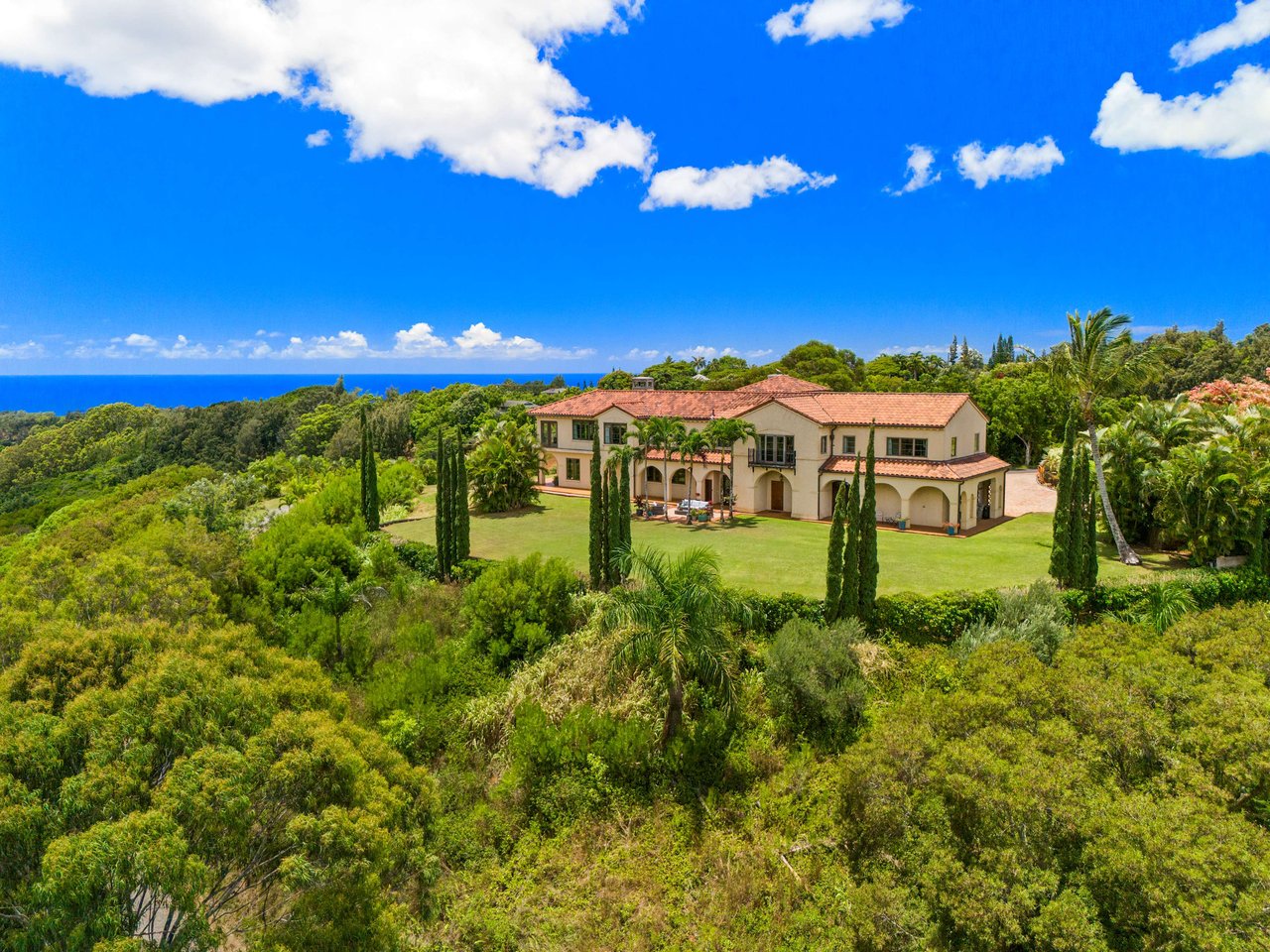
Kalaheo generally appeals to buyers who want a more upcountry feel. It sits higher than Lawai, and that higher elevation often translates into a cooler, greener setting than the lower parts of the South Shore.
The research also points to Kalaheo’s higher-elevation profile through local water-system materials that reference an 886-foot storage tank. Combined with the county’s description of changing landscape conditions from lowland areas to wetter interior elevations, this helps explain why Kalaheo often feels more lush and temperate.
From a lifestyle standpoint, Kalaheo has a stronger local-service base than Lawai. The county describes its commercial mix as practical and resident-focused, including food establishments, service uses, a bakery, and a pharmacy.
That does not mean Kalaheo feels urban or busy in a mainland sense. It simply means your everyday errands and casual routines may feel a little more convenient and established here.
Lawai’s Feel and Setting
Lawai offers a different kind of appeal. It is generally lower in the corridor toward Koloa and Poipu, and the county describes it as having a smaller commercial node and more limited development opportunities because of topography.
For buyers, that often translates into a quieter and more rural feel. If you prefer a lower-profile area without much commercial activity, Lawai may feel like a better match.
The climate pattern across this part of Kauai is strongly tied to elevation. The Lawai hydrologic report notes that rainfall is about 40 inches near the coast but rises sharply on interior ridges to at least 135 inches annually, so the shift from lower to higher areas can be noticeable in both landscape and feel.
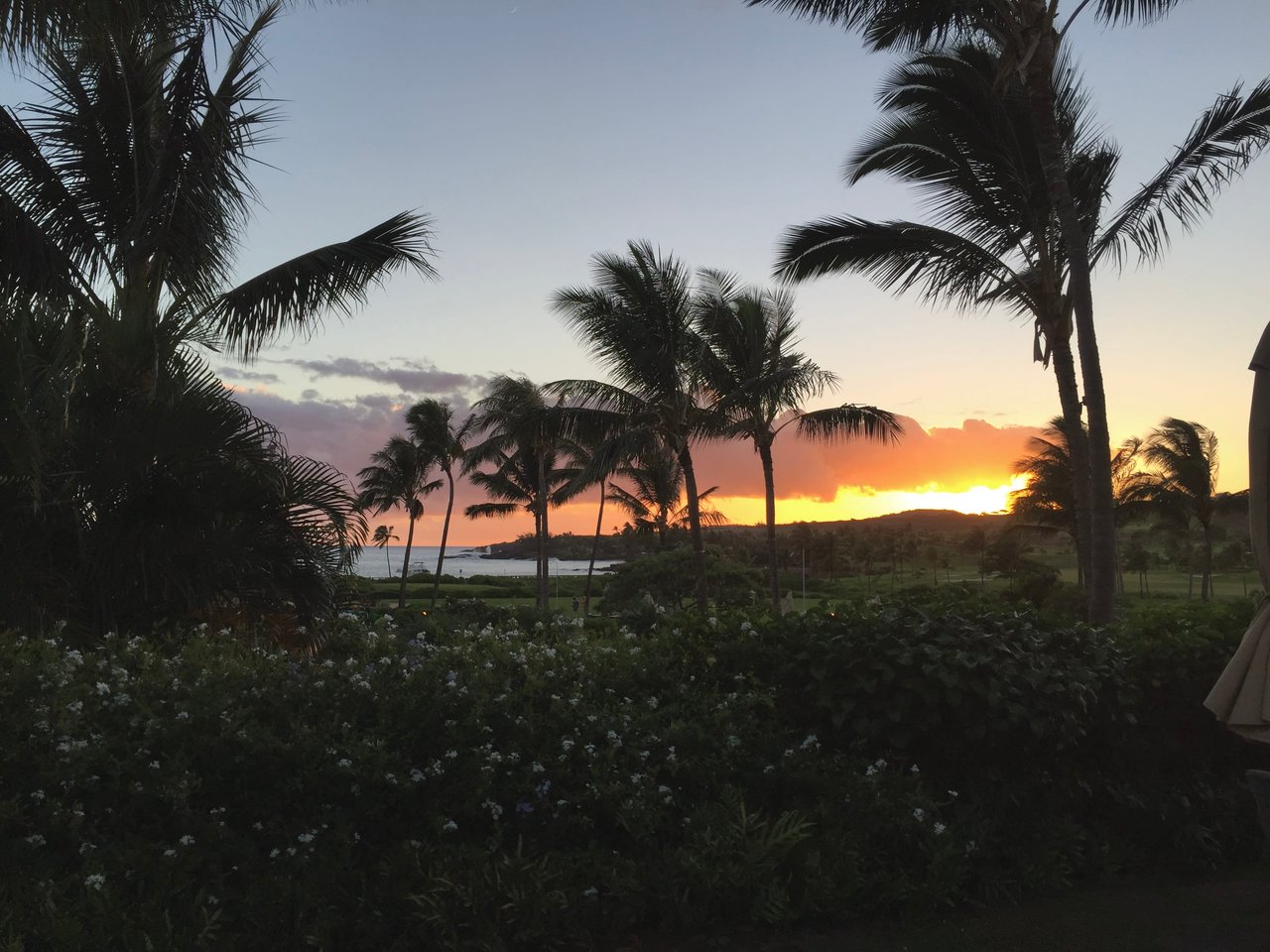
Lawai is not a resort area, but it gives you convenient access to the South Shore corridor. That can be attractive if you want some separation from visitor activity while staying within easy reach of Koloa and Poipu.
How They Compare to Poipu and Koloa
It helps to compare both areas with nearby South Shore communities. Poipu and parts of Koloa are more resort-oriented in land use and commercial character, while Kalaheo and Lawai are more residential.
That distinction shows up clearly in housing patterns. The county reports that more than 80% of housing units in Kalaheo and Lawai are single-family residences, while Poipu has a much lower share of single-family homes and a much greater concentration of condos and larger multifamily buildings.
In plain terms, if you are looking for a detached home and a less tourism-centered setting, Kalaheo or Lawai may be more natural fits. If your priority is being closer to resort amenities, golf, and the main coastal activity, Poipu and Koloa generally offer more of that environment.
Housing Stock and Market Position
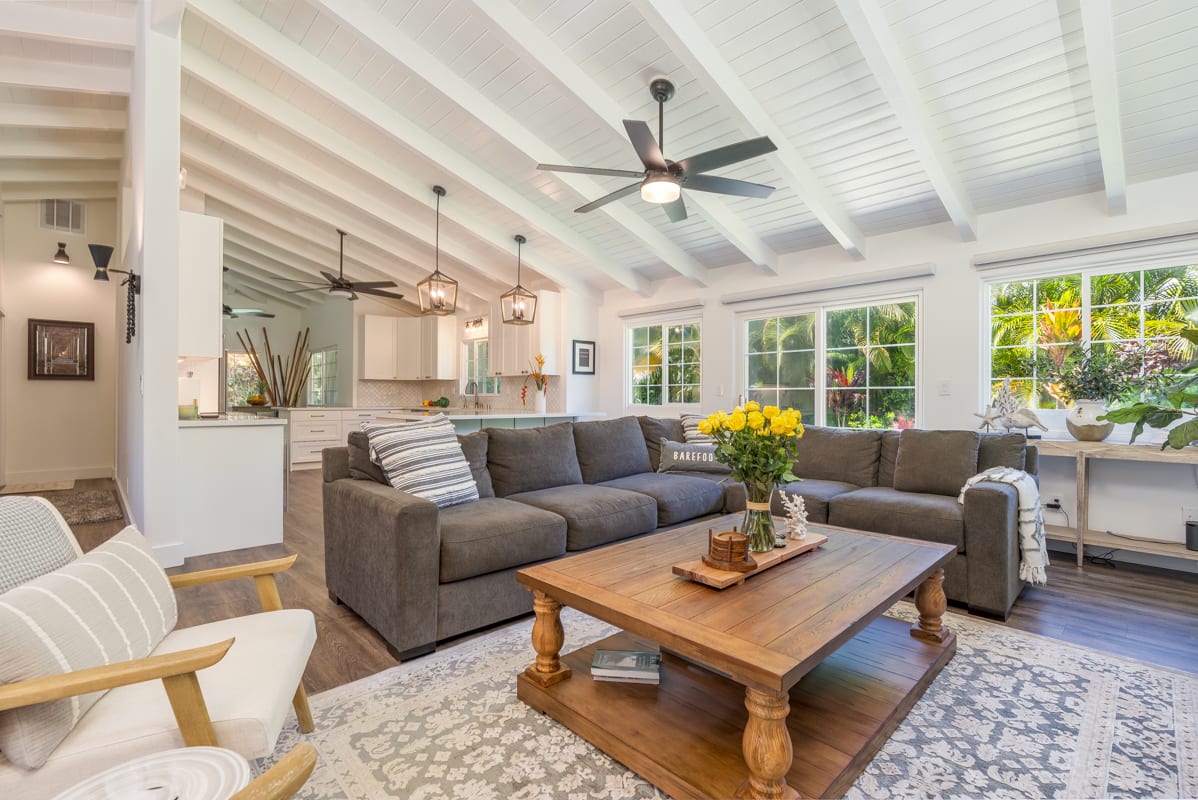
Both Kalaheo and Lawai are primarily detached-home markets. That is one of the clearest reasons buyers start looking here, especially if they want more privacy, more land, or a more residential setting than what is common in Poipu.
Pricing can vary a lot by lot, view, condition, and exact location, so it is smarter to think in ranges and patterns rather than fixate on one number. The Kauai Board of REALTORS reported a January 2026 countywide median sales price of $987,500 for single-family homes and $965,000 for condominiums.
Current market snapshots in the research report suggest Kalaheo has recently tracked higher than Lawai, with Kalaheo around $1.02 million median sale price over a recent three-month period and Lawai around $830,000 in a recent monthly snapshot. Those figures should be read as directional rather than absolute, but they do support the idea that Lawai can offer a different price entry point depending on the property.
The same research notes that both markets are described as not very competitive, with homes often taking more than 100 days to sell. That can create room for thoughtful negotiation, though standout homes can still attract strong attention.
Daily Life and Amenities
Kalaheo and Lawai are both more about daily livability than resort polish. The commercial texture in Kalaheo is especially local and practical, while Lawai’s commercial footprint is smaller.
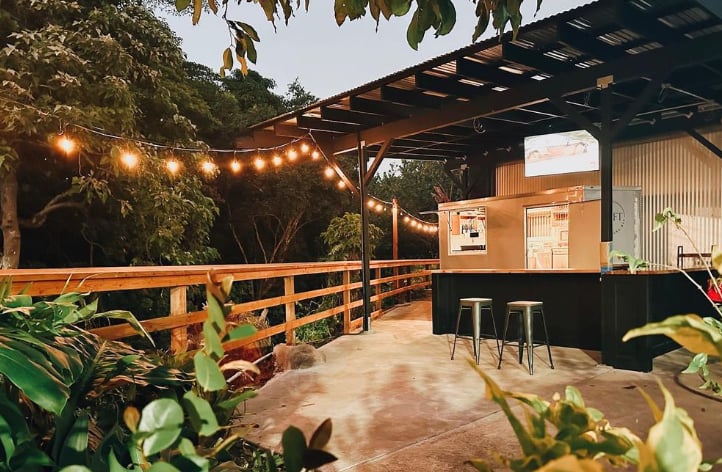
Two place anchors from the research help bring that to life. Kalaheo Café & Coffee Co. has been operating since 1994 as an upcountry breakfast-and-lunch spot, and Warehouse 3540 in nearby Lawai is a repurposed former pineapple canning factory with locally owned businesses, food options, seating, and event space.
These are the kinds of details that matter when you picture your week, not just your house. They suggest that you can enjoy local gathering places and everyday conveniences without living in the resort core.
Access, Driving, and Infrastructure
One of the most important practical points for buyers is that this part of South Kauai is highway-oriented. The county’s planning documents make clear that the road network is built around Kaumualii Highway.
That usually means you will want a car. The county also notes that Kalaheo’s corridor is not especially pedestrian-friendly because sidewalks and bike facilities are disconnected, and many streets in Lawai have no sidewalks.
There is another major infrastructure detail buyers should pay close attention to. South Kauai is not county-sewered, so wastewater is handled by individual or private systems, even though the County of Kauai Department of Water provides potable water to these towns.
That means a property’s wastewater setup is an important part of due diligence. It can be a bigger factor here than it is in many mainland suburban markets.
Which Area Fits Your Lifestyle?
If you are deciding between the two, it helps to focus less on which area is “better” and more on which one aligns with your priorities.
Choose Kalaheo if you want
- A more upcountry, mauka feel
- A stronger residential base
- More nearby local services for day-to-day errands
- A greener, cooler-feeling setting tied to higher elevation
Choose Lawai if you want
- A quieter, smaller-scale setting
- A more rural feel
- Convenient positioning toward Koloa and Poipu
- A lower-profile alternative to busier South Shore nodes
Consider Poipu or Koloa if you want
- Closer access to resorts and coastal activity
- More golf and visitor-oriented amenities nearby
- More condo and resort-residential options
- A more tourism-facing environment
Golf and South Shore Access
If golf matters to you, Kalaheo and Lawai can still make sense even if the most prominent golf settings are closer to the resort belt. The research identifies Kiahuna Golf Club in sunny Poipu and Poipu Bay Golf Course on 210 oceanfront acres beside the Grand Hyatt Kauai Resort and Spa.
Kalaheo also has Kukuiolono Park and Golf Course, known for South and West Shore views. So if you want golf access without living directly in the resort strip, either Kalaheo or Lawai can offer a practical middle ground.
A Smart Way to Decide
When buyers are torn between Kalaheo and Lawai, the best next step is usually not more online browsing. It is seeing how each area feels in person at different times of day and comparing the practical details that shape daily life.
You may find that Kalaheo’s stronger service base and higher-elevation setting feel right immediately. Or you may prefer Lawai’s quieter rhythm and closer relationship to the Koloa-Poipu corridor.
Either way, both areas offer a more residential version of the South Shore than many buyers first discover when they start with Poipu. If you want help comparing neighborhoods, evaluating property fit, and navigating the details that matter on Kauai, Susan Higgins can guide you with local insight and concierge-level support.
FAQs
Is Kalaheo or Lawai more residential on Kauai?
- Both are primarily residential, but Kalaheo generally has a more established residential base and stronger local-service corridor, while Lawai feels smaller and more rural.
Is Kalaheo or Lawai better for detached homes?
- Both areas are strong options for detached-home buyers, and the county reports that more than 80% of housing units in Kalaheo and Lawai are single-family residences.
Is Lawai closer to Poipu and Koloa amenities?
- Yes. Lawai sits lower in the South Shore corridor toward Koloa and Poipu, which can make resort, golf, and coastal access feel a bit more convenient.
Does Kalaheo feel cooler than Lawai?
- It often can, because Kalaheo has a higher-elevation profile, and the research shows that conditions on the South Shore vary noticeably from lower coastal areas to higher interior areas.
Do you need a car in Kalaheo or Lawai?
- Most likely yes. County planning documents describe both areas as car-oriented, with limited sidewalk connectivity in many places.
What utility detail should buyers check in South Kauai?
- Wastewater setup is important because South Kauai is not county-sewered, so properties rely on individual or private wastewater systems.