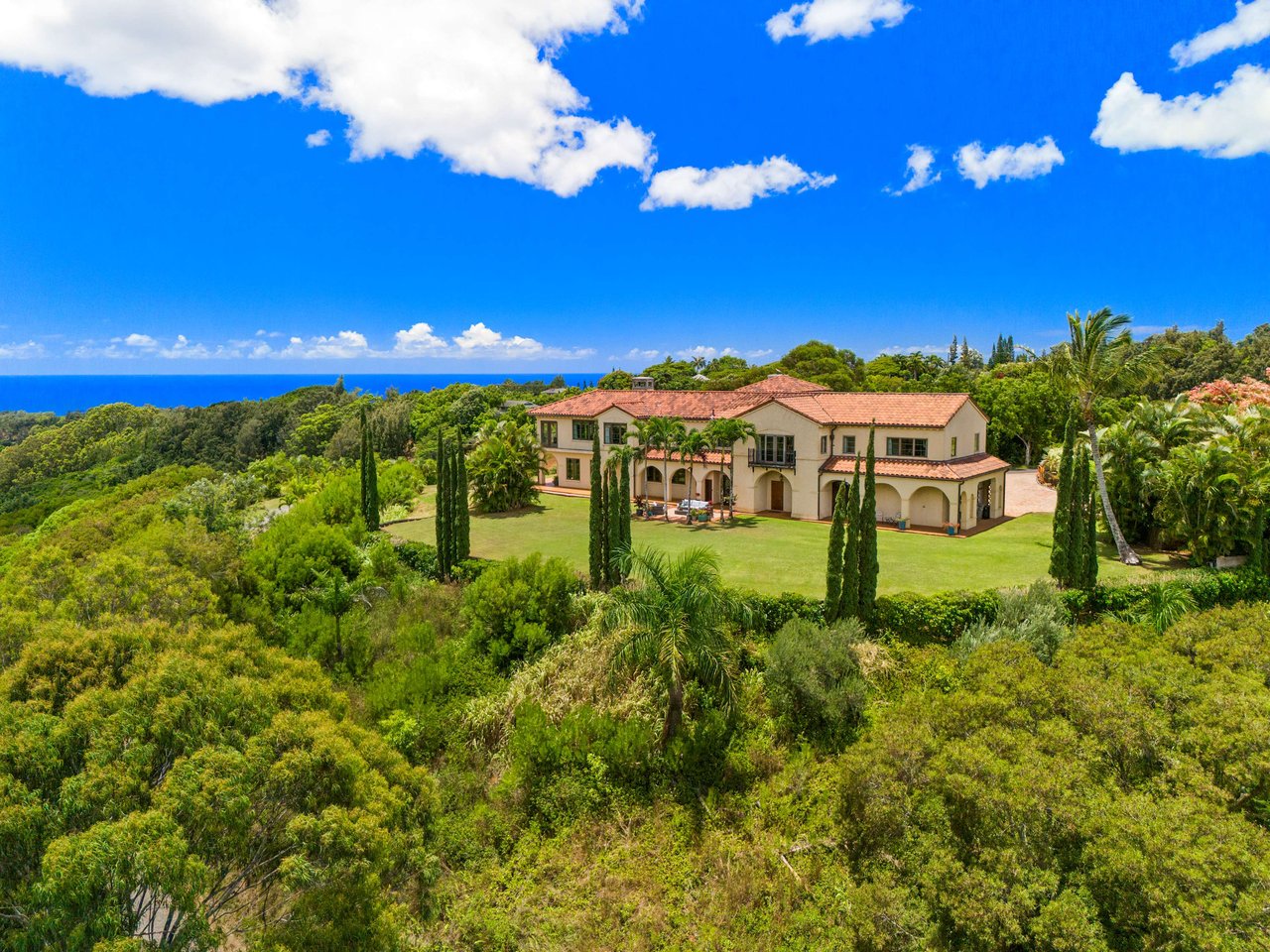
Thinking about a condo or a single-family home in Kapaa? You are not alone. Many buyers love Kapaa’s mix of walkable beach towns and quiet residential areas, but the right fit depends on how you want to live and what it costs to maintain that lifestyle. In this guide, you will learn the key differences in costs, maintenance, amenities, rental potential, and resale so you can choose with confidence. Let’s dive in.
Kapaa housing at a glance
Kapaa sits on Kauai’s East Side with a lively town core, oceanfront stretches, and inland neighborhoods. Condos are often near the beach, rivers, and commercial areas with a compact footprint and shared amenities. Single-family homes tend to be inland or mixed along the shore, offering more land, privacy, and control.
Inventory in Kapaa ranges from older beachfront condo communities and townhomes to detached homes on small to medium lots. Because pricing and supply change quickly, plan to verify current median prices, days on market, and inventory before you decide between property types.
Cost of ownership: what changes
Your monthly and long-term costs will look different for a condo versus a single-family home. Here is how the major line items typically compare in Kapaa.
Purchase price and appreciation
Single-family homes usually command higher prices because you own the land and enjoy greater privacy. Condos often have a lower entry price, especially in older low-rise complexes near the beach. Appreciation can vary by location and building health, so weigh the specific property’s condition, reserves, and improvements when you compare potential growth.
Property taxes and assessments
Kauai County sets property tax rates and assessed values for Kapaa. If you live in the home as your primary residence, you may qualify for a homeowner exemption. Assessed values and tax classes can differ by use, so review the current tax bill and verify how the county classifies the property. Condos and homes follow the same county framework, but assessments are property specific.
HOA or association fees
Condos include a monthly HOA fee that can cover building insurance, common area upkeep, landscaping, trash, and reserve contributions. Fees vary widely depending on age, amenities, and coverage scope. Some single-family homes have no HOA, and if they do, it is often limited to shared road or neighborhood landscaping. Always request the HOA budget, reserves, meeting minutes, and any history of special assessments before you compare.
Insurance: interior vs full structure
For condos, the master policy typically covers the building envelope and common areas, while you insure your unit interior, contents, and improvements. Loss assessment coverage is often recommended in case the association assigns a portion of an uncovered loss to owners. For single-family homes, you insure the entire structure and contents. Coastal exposure on Kauai can mean wind or hurricane coverage and, if in a mapped flood zone, separate flood insurance. Premiums vary by location and elevation, so get quotes early.
Utilities and operating costs
Condo fees sometimes include water, trash, landscaping, and even basic cable or internet. Single-family owners pay their own utilities and yard irrigation. Electricity is through Kauai Island Utility Cooperative, and water is provided by the county. When comparing options, note what is included in the HOA and what you would pay directly if you choose a home.
Maintenance and control
How much time you want to spend on upkeep and how much control you want over your space are big factors in Kapaa.
Condo maintenance and reserves
Condo associations handle exterior and structural elements, roofs, landscaping, parking, and common areas. You take care of your unit interior, appliances, and sometimes windows depending on the bylaws. The upside is predictable monthly costs and fewer hands-on chores. The tradeoff is exposure to special assessments if the association is underfunded or faces major projects like roof replacements, seawalls, or structural upgrades. Always review the reserve study and recent minutes.
Single-family upkeep and flexibility
As a homeowner, you manage the entire building, yard, driveways, and systems. You have more freedom to change finishes, add storage, or rework landscaping. The tradeoff is variable expenses, from roof replacement to exterior paint and pest treatment. A proactive maintenance budget reduces surprises, especially in Kapaa’s tropical climate.
Budgeting for capital items
Whether you choose a condo or a home, plan ahead for big-ticket items. For condos, study reserve funding levels and upcoming projects. For homes, set aside funds for roof, exterior paint, major systems, and appliances. A simple rule is to save a percentage of property value each year as a reserve, then refine with actual quotes for the address you are considering.
Lifestyle and location fit
Kapaa offers different experiences depending on whether you live near the town core, along the shore, or inland. Match the setting to how you want to live day to day.
Walkability and services
If you want to walk to coffee, shops, and the coastal path, look closely at condos and townhomes near Kapaa’s commercial areas. Many buyers enjoy easy access to dining and the bike path. Single-family neighborhoods often deliver more peace and privacy, though you will likely drive for groceries and errands.
Beach and outdoor access
Condos near the shoreline can provide quick beach access and ocean views. These areas are active, especially during peak seasons, and public access can bring more foot traffic. Single-family homes offer private yards for outdoor living. Direct private beach access is uncommon and depends on setbacks and public access rules, so confirm what is allowed before you buy.
Privacy, noise, and parking
Condo living is more communal. You may hear neighbors, share walls, and have rules about parking and pets. Some complexes have limited guest parking. Single-family homes usually include private parking, storage for boards or kayaks, and more separation from neighbors. Consider where you will store outdoor gear and how many vehicles you plan to keep.
Climate and micro-location
Kapaa’s windward position brings regular trade winds and more rainfall than leeward areas. That is great for cooling and greenery, but it can increase mold and mildew risk. Sun exposure, wind patterns, and coastal erosion vary lot by lot. Walk the property at different times of day, and ask about drainage, roof age, and exterior finishes.
Renting and resale
If you are thinking about rental income or future resale, keep these points in mind.
Short-term rental rules
Short-term rentals in Hawaii are regulated and taxed. Owners must handle Transient Accommodations Tax and General Excise Tax. Kauai County has specific zoning and permits for vacation rentals and bed and breakfasts, and some condo associations prohibit short-term rentals. Verify whether the property and its zoning allow the use you want, and check the HOA rules.
Long-term rental dynamics
Condos near the beach and town can be attractive to tenants because of location and amenities. Single-family homes may command higher monthly rents and appeal to tenants who want yards and storage. Compare net yield after HOA fees, utilities, insurance, property tax, vacancy, and management so you see the true bottom line.
Resale and liquidity
Condos can have higher turnover, and values depend on association health, reserves, and location. Lenders often look closely at older coastal buildings, so financing can be more sensitive to the HOA’s condition. Single-family homes often attract owner-occupiers who value land and privacy. Proximity to the beach and view quality heavily influence resale for both property types in Kapaa.
Hazards, zoning, and due diligence
Kauai’s natural beauty comes with coastal and tropical considerations. Do thorough checks before you commit.
Flood, tsunami, and sea-level exposure
Kapaa has coastal exposure in certain areas. Review FEMA Flood Insurance Rate Maps to see if the property is in a mapped flood zone. Check Hawaii tsunami maps and county sea-level rise and erosion guidance. If the building is near the shoreline, learn whether there is a seawall, elevation relative to base flood elevation, and any past flood or storm damage.
Building condition and engineering
Older coastal condos may need structural and roof upgrades for wind standards and tropical wear. Ask for recent engineering or inspection reports. For single-family homes, check termite and dry rot histories, roofing age, electrical updates, and drainage around the lot.
Zoning and permitted uses
Confirm Kauai County zoning for the specific parcel and any overlays that affect development or rental use. If you want to add a structure, verify setback rules and shoreline setbacks well in advance.
How to compare two properties
Use this quick process to compare a Kapaa condo and a single-family home side by side.
- Nail down price and terms
- Confirm list price, likely closing price, and time on market for each.
- Ask your lender for a payment estimate at your down payment and rate scenario.
- Build your monthly ownership cost
- Mortgage principal and interest.
- Property tax based on the current county bill and class.
- HOA dues for the condo, or any neighborhood fee for the home.
- Insurance quotes for each property type. Include flood if applicable.
- Utilities. Note which line items the condo HOA includes.
- A maintenance reserve. For condos, you can use the reserve study to gauge upcoming projects. For homes, add a monthly reserve for roof, exterior paint, systems, and yard.
- Factor lifestyle and flexibility
- Commute, access to services, and walkability.
- Parking, storage, and space for hobbies.
- Pet rules, renovation flexibility, and outdoor living needs.
- Check risk and resale
- Flood and coastal hazard exposure for each address.
- HOA financial health, special assessment history, and insurance coverage.
- Zoning and rental permissions if income is a goal.
- Recent comparable resales and time on market in the micro-area.
Kapaa buyer checklist
Use this list when you are serious about a specific condo or home in Kapaa.
- Confirm current sale price trends and average days on market for that property type in Kapaa.
- Request HOA documents for condos: budget, reserve study, insurance certificate, meeting minutes for the last two to three years, rental and pet rules, and any special assessment history.
- Review the seller’s property disclosure and any records of flood, storm, termite, or structural repairs.
- Verify the property tax rate, class, and the most recent bill with Kauai County.
- Ask licensed insurance agents for estimated homeowners and flood premiums for the specific address.
- Pull FEMA flood maps and Hawaii tsunami or sea-level rise resources for the address.
- Check utility rates, water service, and any septic records if applicable.
- Confirm local zoning and short-term rental permitting rules for the parcel or complex.
Which one is right for you?
Choose a Kapaa condo if you want a lock-and-leave lifestyle, lower hands-on maintenance, and walkable access to the town core or shoreline. You will trade some privacy and control for convenience and shared amenities. Choose a single-family home if you value space, privacy, and freedom to customize, and you are comfortable managing exterior upkeep and larger capital projects.
If you want help comparing real numbers for specific Kapaa listings, we can gather HOA budgets, insurance quotes, and county records so you can see your true monthly cost and long-term exposure. When you are ready, reach out to Susan Higgins for calm, concierge-level guidance and on-island expertise.
FAQs
What are the main cost differences in Kapaa between condos and single-family homes?
- Condos add HOA dues that may cover some utilities and building insurance, while homes avoid condo dues but require full-structure insurance, yard care, and larger maintenance reserves.
How do HOA fees in Kapaa impact monthly budgets?
- HOA fees can be modest or high depending on amenities and building age, and they should be weighed against what they cover, reserve funding, and any history of special assessments.
Do Kapaa condos or homes have better rental potential?
- It depends on zoning, HOA rules, and location, with condos near the beach appealing to visitors and homes attracting longer-term tenants, so verify permissions and compare net yield after all expenses.
What insurance should I expect to carry in coastal Kapaa?
- Expect homeowners insurance tailored to either a condo interior or a full single-family structure, plus flood insurance if in a mapped flood zone and wind or hurricane coverage for coastal exposure.
How does Kapaa’s climate affect maintenance choices?
- Trade winds and rainfall help with cooling and greenery but can increase mold and exterior wear, so plan for regular exterior care, ventilation, and moisture management.
What should I check in a Kapaa condo association before making an offer?
- Review the budget, reserve study, insurance certificate, meeting minutes, rental and pet rules, and any special assessment history to judge financial health and upcoming projects.
How do I compare total monthly costs between two Kapaa properties?
- Tally mortgage, tax, insurance, HOA or neighborhood dues, utilities, and a realistic maintenance reserve for each address to see your true all-in monthly spend.