Thinking about a second home in Poipu? You are probably picturing sunny beach mornings, easy dinners out, and a home that feels like a true getaway without being hard to manage from afar. The good news is that Poipu can deliver that mix of beauty, convenience, and everyday ease, but second-home ownership here also comes with practical details you will want to understand. This guide will walk you through what daily life looks like, what kinds of properties you will find, and what to know about taxes, rentals, and upkeep. Let’s dive in.
Why Poipu appeals to second-home buyers
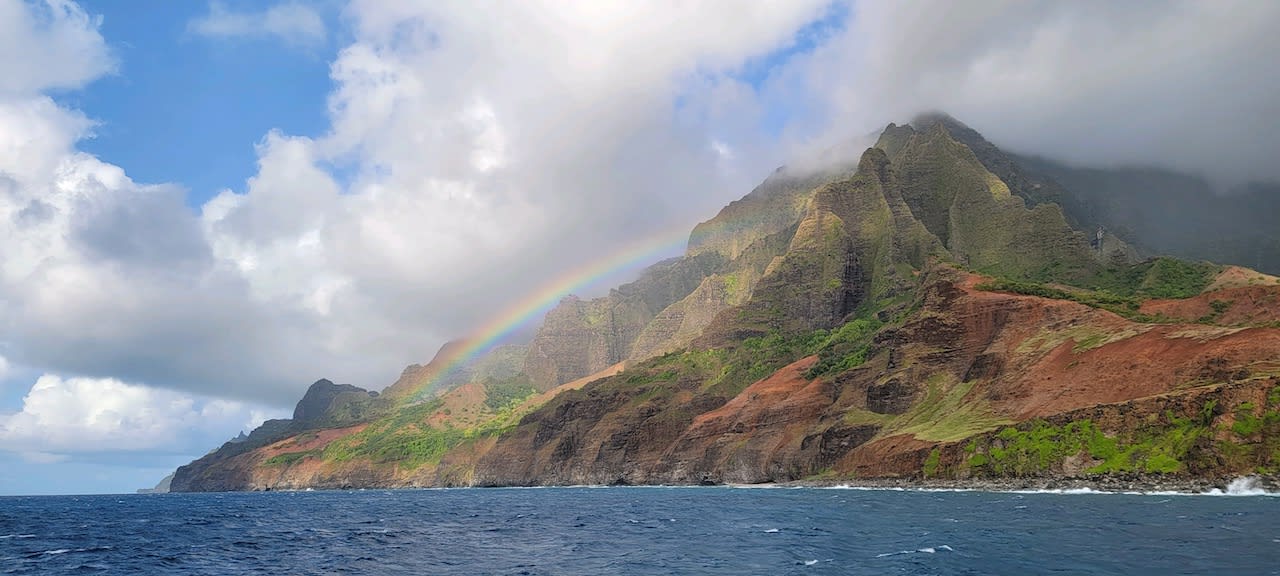
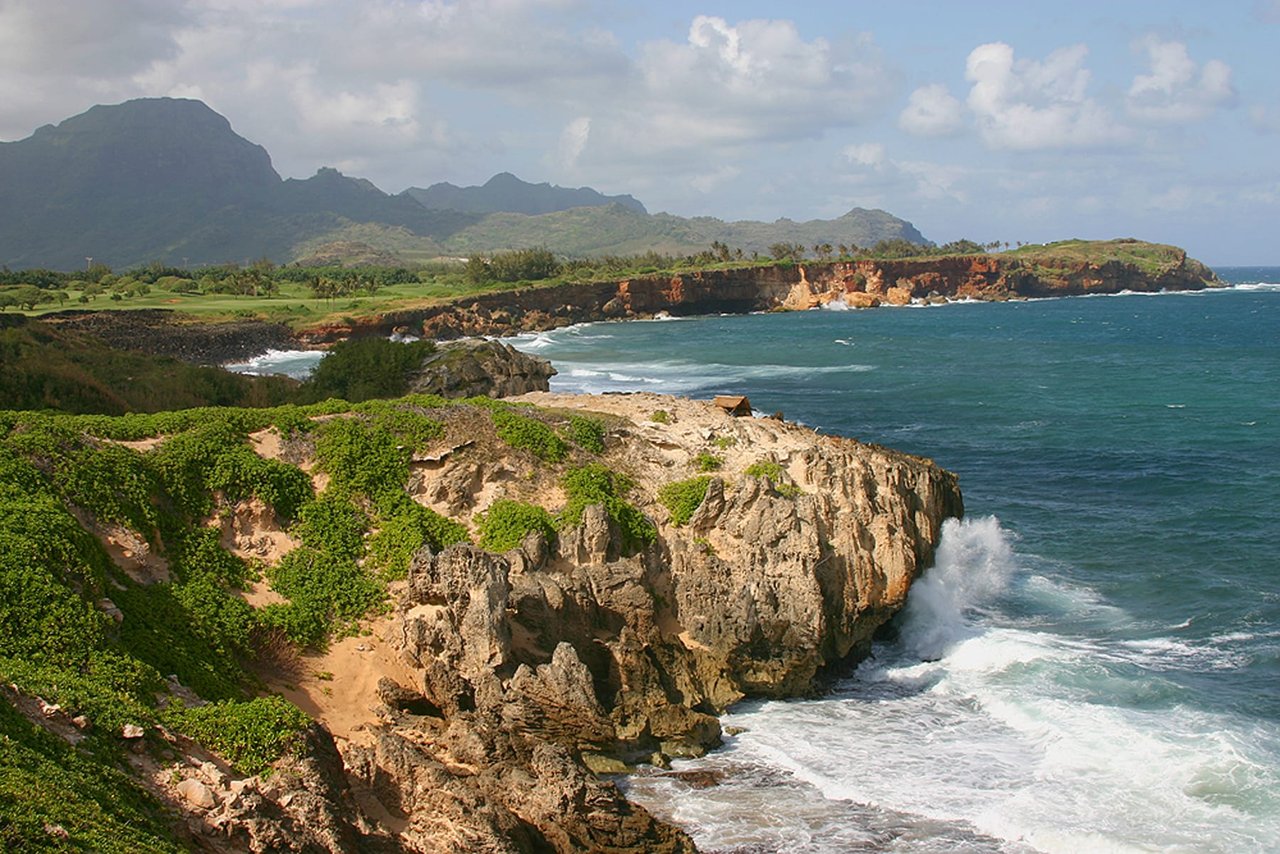
Poipu sits on Kaua‘i’s South Shore, where the setting is shaped by beaches, resorts, golf, shopping, and scenic landmarks. For many second-home buyers, that creates an appealing balance. You get a destination feel without feeling cut off from dining, errands, or airport access.
Another reason Poipu stands out is convenience. Go Hawaii notes that Poipu is about 30 minutes from Līhuʻe Airport, which makes arrivals and departures relatively simple by island standards. If you plan to use your home for regular stays throughout the year, that travel ease matters.
The area also feels broader than a typical resort zone. Along with beach access and visitor amenities, nearby Old Kōloa Town brings visible plantation-era history, preserved storefronts, and the Kōloa Heritage Trail. That gives Poipu a sense of place that many second-home buyers value when choosing where to put down roots.
What daily life feels like
A second home in Poipu often supports a relaxed, outdoor-centered routine. You might start with a beach walk, spend part of the day at home or out exploring, and finish with dinner nearby. Because so much is close at hand, the lifestyle can feel easy to slip into, even on shorter trips.
Poipu Beach Park plays a big role in that rhythm. It offers parking, lifeguards seven days a week, restrooms, showers, and picnic tables, which makes spontaneous beach time more practical. It is the kind of place that can become part of your regular week, not just a special outing.
For shopping and dining, The Shops at Kukui‘ula serves as a major South Shore hub. The area includes boutiques, restaurants, galleries, a weekly Culinary Market, and recurring music and yoga events. That mix helps support a lifestyle that feels polished and resort-oriented while still having a steady neighborhood pulse.
Nature is part of the routine
Poipu is not only about beaches. The South Shore also offers botanical experiences that shape the look and feel of everyday life. Go Hawaii highlights McBryde and Allerton Gardens, and the National Tropical Botanical Garden identifies the South Shore Visitors Center in Poipu as the gateway to those valley gardens.
For you as an owner, that means tropical landscaping, garden walks, and lush scenery are part of the environment year-round. Even a quick drive or afternoon outing can feel immersive. If you want a second home where the natural setting is part of daily life, Poipu checks that box.
Wildlife adds to that experience too. During the winter and spring months, humpback whales can sometimes be spotted from Poipu Beach Park, generally from December through April. Hawaiian monk seals also make occasional appearances, which adds to the sense that you are living close to a very active natural shoreline.
Property styles in Poipu
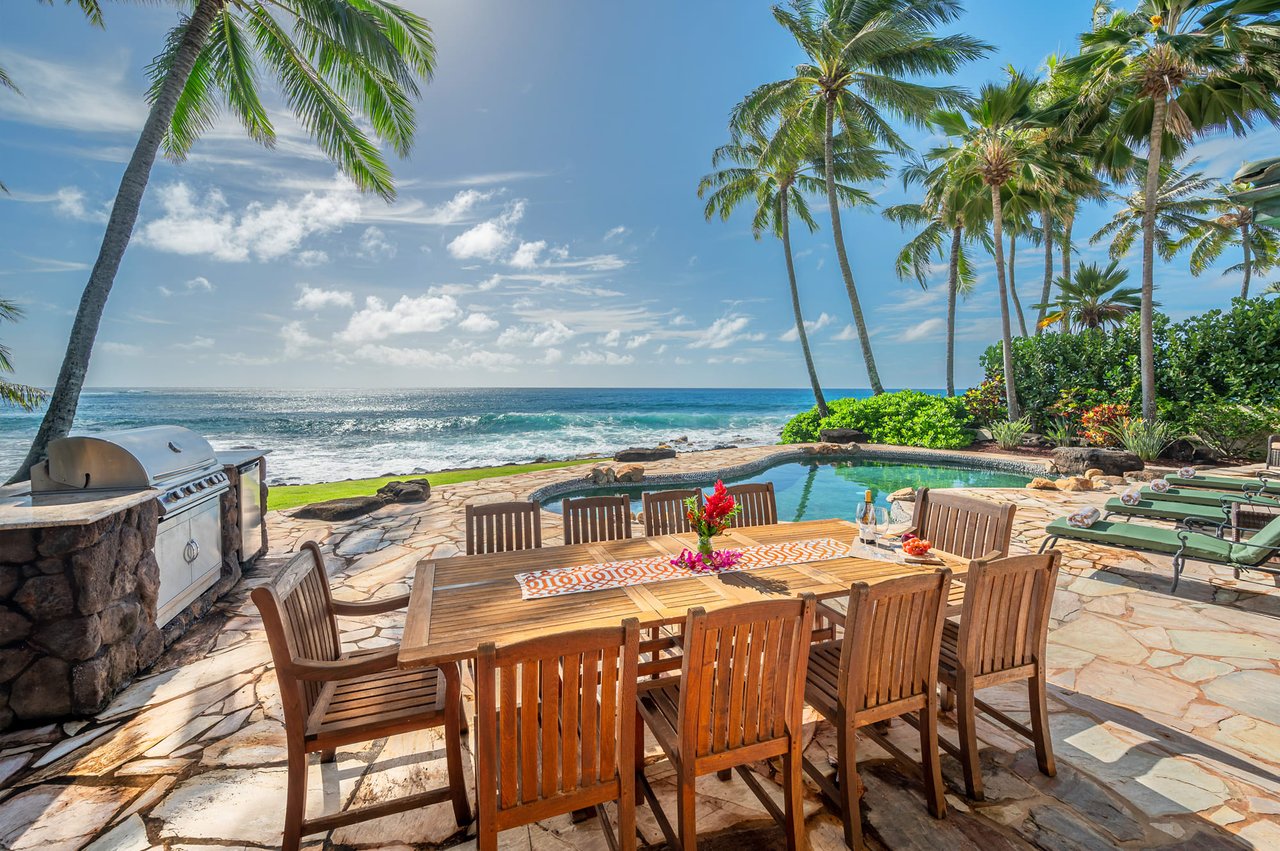
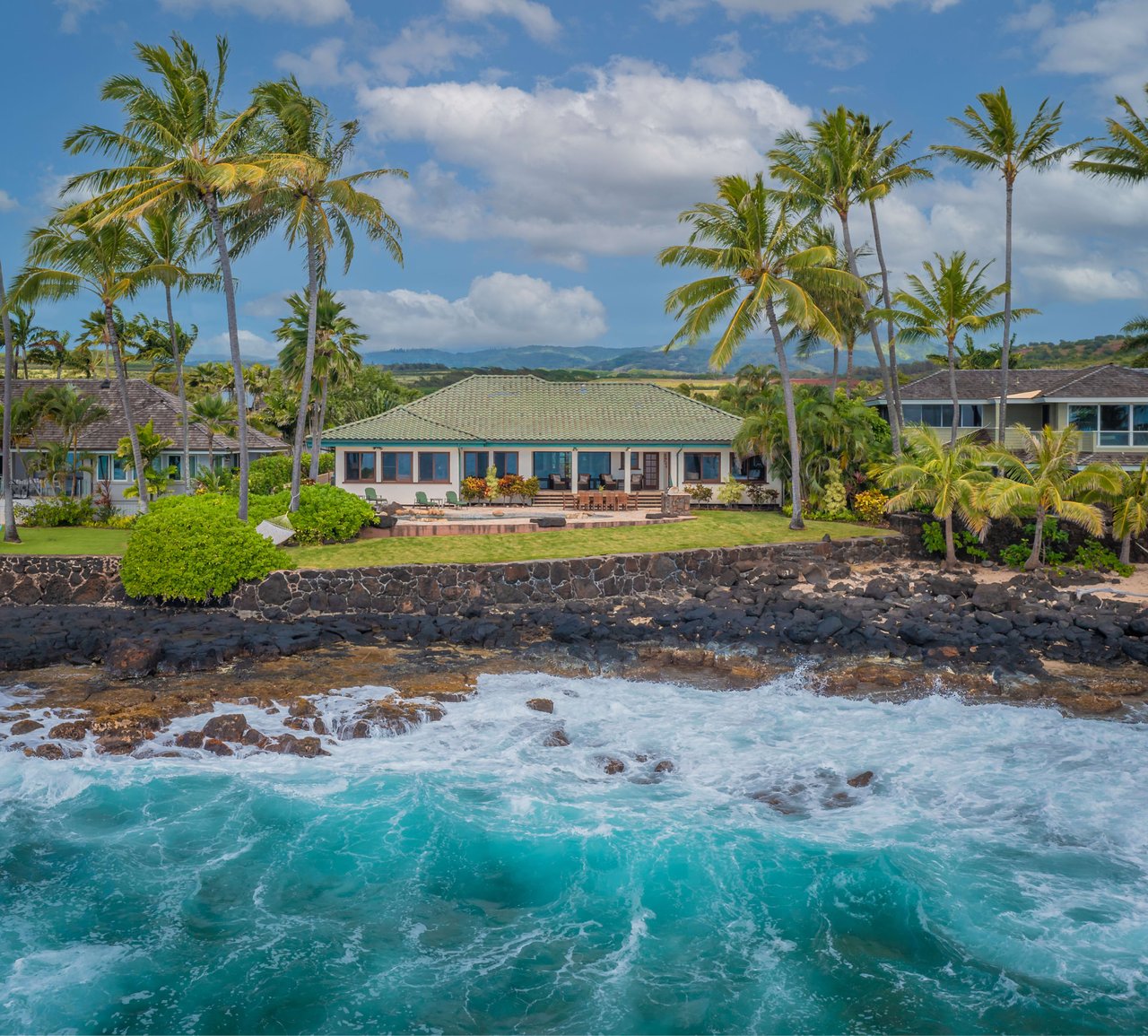
One of Poipu’s strengths is range. Official area listings and destination pages show a mix of resort-style condominiums, villas, and higher-end single-family or club-oriented homes. That gives second-home buyers more than one path into ownership, depending on how you plan to use the property.
Condo communities are a natural fit if you want a more lock-and-leave lifestyle. Examples in the area include Poipu Kai Resort Condos, Kiahuna Plantation, Poipu Shores, and Kōloa Landing Resort. These kinds of properties often appeal to buyers who want amenities, lower day-to-day oversight, and close access to beaches and dining.
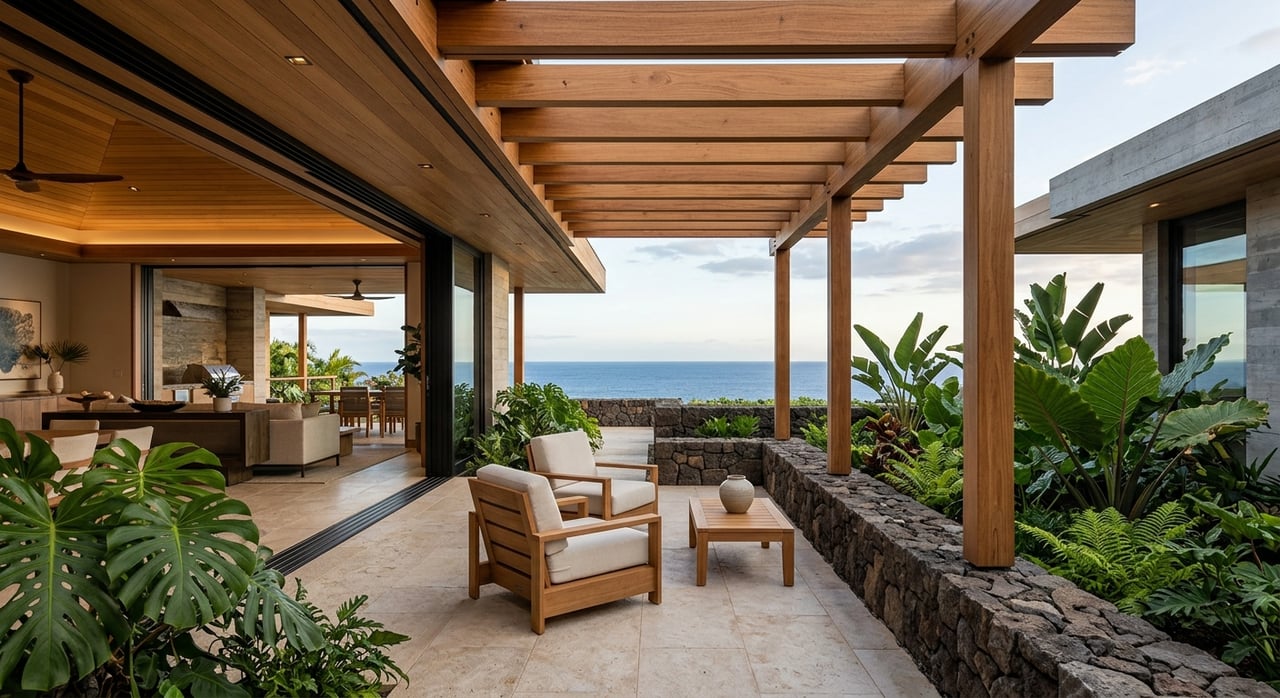
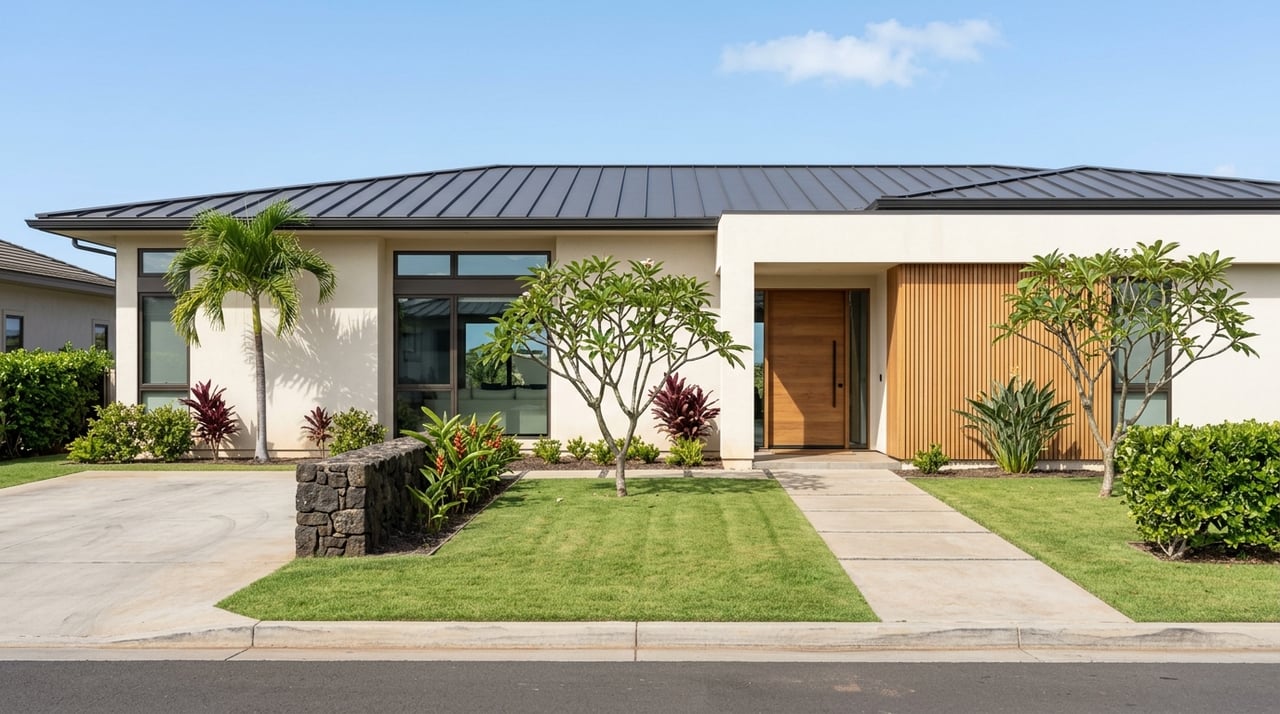
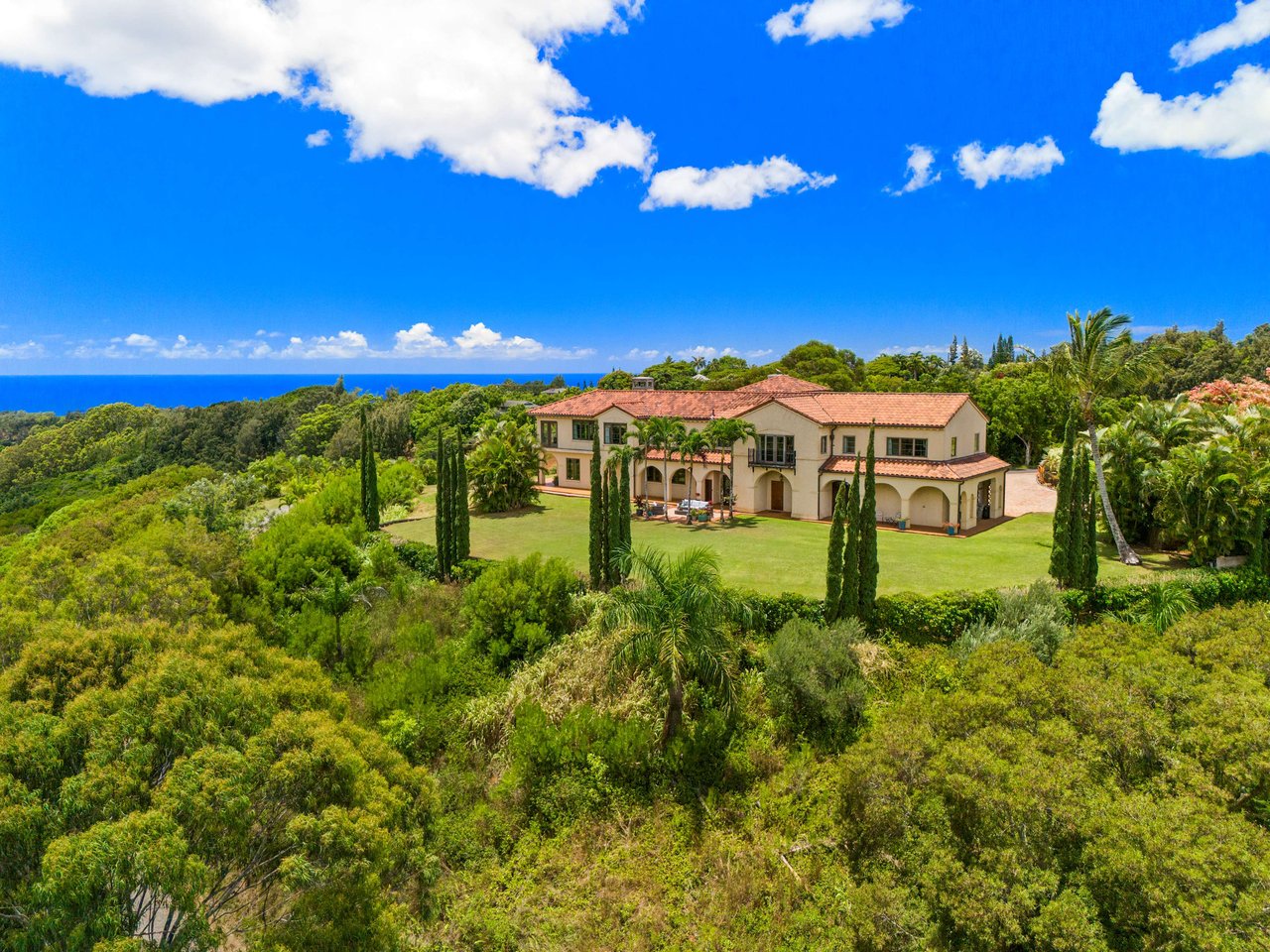
Single-family and club-style homes offer a different experience. The Lodge at Kukui‘ula, for example, is described with plantation-style homes and contemporary Hawaiian villas overlooking golf and ocean views. These homes may offer more privacy, more interior and exterior space, and a more custom ownership experience.
Choosing the right second-home setup
The right property type depends on how you plan to live in the home. If you want flexible travel, simpler upkeep, and easy arrivals for short stays, a condo may line up better with your goals. If you want a legacy property with more room, design detail, and a stronger private-home feel, a single-family or club-oriented residence may be the better fit.
It also helps to think about how often you will be on island. Some owners come for longer seasonal stretches, while others make frequent shorter visits. The more clearly you define your lifestyle first, the easier it becomes to narrow the right ownership style.
Travel is relatively easy by island standards
Travel logistics matter more than many buyers expect. If you live on the mainland and plan to use your Poipu home throughout the year, convenience can affect how often you actually visit. Poipu benefits from being within reasonable reach of Kaua‘i’s main airport.
Līhuʻe Airport is the primary airport on the island, and Go Hawaii says many airlines offer direct service. Official airport information also notes ground transportation options such as cars, taxis, shuttles, courtesy buses, and the Kaua‘i County bus. That gives you several ways to move between the airport and the South Shore.
It is also worth remembering that Hawai‘i does not observe daylight saving time. If you coordinate arrivals, maintenance visits, or vendor schedules from the mainland, the seasonal time difference can affect planning. It is a small detail, but one that becomes part of smooth ownership.
Taxes and property classification matter
Second-home ownership in Poipu comes with county tax classification rules that are important to understand before you buy. According to Kaua‘i County assessment guidance, if a property is not your principal residence, it falls under the Non-Owner-Occupied Residential category. The county specifically includes second homes used exclusively by owners and part-time residences that are not occupied as a principal residence.
That classification matters because property tax rates differ by class. Kaua‘i County’s FY 2025-2026 tax sheet lists owner-occupied property at $2.59 per $1,000 of net assessed value, non-owner-occupied residential tier 1 at $5.45 per $1,000, and vacation rental tier 1 at $11.30 per $1,000. The county also notes that tax rates can change annually.
If you are comparing properties, this is not just a technical detail. It can shape carrying costs in a meaningful way. Understanding the likely use classification early helps you budget more accurately and avoid surprises.
Renting your second home adds another layer
Some buyers want a property they will use personally and rent when they are away. That can be possible, but it changes the rules you need to follow. Kaua‘i County defines temporary rental use of less than 180 consecutive days as Vacation Rental.
Hawai‘i tax rules also apply to rentals under 180 consecutive days. The state says transient accommodations are subject to general excise tax and transient accommodations tax, and Kaua‘i County imposes its own 3% county TAT. The state also says anyone renting a transient accommodation must obtain a TAT certificate of registration, and anyone receiving income from rental of real property generally needs a GET license.
The key takeaway is simple: do not assume short-term rental use will be passive or automatic. Before you rely on rental income as part of your ownership plan, it is smart to verify the property’s classification and the registrations that may apply.
Maintenance is part of island ownership
Poipu’s climate is one of its biggest draws, but it also shapes how you care for a second home. Go Hawaii describes Kaua‘i as warm year-round, with average temperatures between 84 and 69 degrees Fahrenheit, along with trade winds that help keep conditions comfortable. At the same time, Hawai‘i’s broader climate includes moderate humidity and sharp rainfall differences across short distances.
That means routine maintenance is part of normal ownership. NOAA’s Hawai‘i climate summary points to mild temperatures, humidity, and persistent trade winds, while EPA moisture guidance emphasizes drying wet areas quickly, fixing leaks, and keeping indoor humidity down to help prevent mold. For a second home that may sit vacant between visits, regular inspections and moisture awareness are especially important.
This is one reason many buyers think carefully about how much space and exterior maintenance they want to take on. A larger, more complex property can be wonderful, but it also calls for a more hands-on ownership plan.
Seasonal rhythm in Poipu
Poipu does not have the kind of dramatic seasonality you see in many mainland second-home markets. The weather stays fairly warm through the year, and the area’s beaches, shops, and dining remain part of daily life in every season. That supports a lifestyle that feels usable year-round, rather than limited to one narrow window.
There are still seasonal highlights. Whale-watching season generally runs from December to May, with peak months between January and early April. For owners who visit during those months, the shoreline experience can feel especially memorable.
The area also stays active thanks to its resort infrastructure and outdoor focus. If your ideal second home is somewhere you can enjoy in different ways across the calendar, Poipu offers that flexibility.
What makes Poipu feel distinct
Poipu’s appeal comes from how many desirable elements sit close together. You have beach access, dining, shopping, tropical gardens, and a nearby historic town center, all within the South Shore setting. That combination gives the area both ease and depth.
For many buyers, that translates into a second home that feels rewarding on short visits and longer stays alike. You can keep things simple and relaxed, or fill your week with beach time, walks, markets, dining, and garden outings. It is a lifestyle that tends to feel polished without feeling overly removed from the island around it.
Ocean conditions are still something to respect. Go Hawaii notes that beach and ocean conditions change from day to day, so even in a well-loved beach area like Poipu, awareness matters. That practical mindset is part of owning well here.
Is Poipu the right fit for you?
Poipu can be a strong match if you want a second home in a sunny South Shore setting with easy beach access and an amenity-rich environment. It works especially well for buyers who value convenience, scenic surroundings, and a property they can enjoy regularly rather than only on long annual trips. It also offers enough range in housing to support very different ownership goals.
The best way to approach it is with both lifestyle and logistics in mind. Think about how you want to use the home, whether rental use is part of the plan, and how much maintenance and oversight feel comfortable for you. When those pieces line up, owning a second home in Poipu can feel both practical and deeply rewarding.
If you are considering a second home on Kaua‘i’s South Shore, Susan Higgins offers the kind of high-touch local guidance that helps you evaluate lifestyle, property fit, and ownership details with confidence.
FAQs
What is daily life like when you own a second home in Poipu?
- Daily life in Poipu often centers on easy beach access, nearby dining, shopping, and outdoor activities, with places like Poipu Beach Park and The Shops at Kukui‘ula supporting a convenient South Shore routine.
What types of second homes are available in Poipu?
- Poipu offers resort-style condominiums, villas, and higher-end single-family or club-oriented homes, which gives you options ranging from lock-and-leave ownership to more private, spacious residences.
How are second homes in Poipu taxed?
- If the property is not your principal residence, Kaua‘i County generally classifies it as Non-Owner-Occupied Residential, and the county’s FY 2025-2026 tax sheet lists higher rates for that class than for owner-occupied property.
Can you rent out a second home in Poipu?
- Yes, but rentals of less than 180 consecutive days are treated as transient accommodations, which can trigger county classification issues along with Hawai‘i GET, state TAT, and Kaua‘i County TAT requirements.
Is Poipu easy to reach for mainland second-home owners?
- Poipu is about 30 minutes from Līhuʻe Airport, and the airport offers several ground transportation options, which helps make regular arrivals and departures more manageable.
What should second-home owners expect for maintenance in Poipu?
- Owners should plan for regular inspections, moisture control, and prompt attention to leaks or damp areas, since warm temperatures, humidity, and island climate conditions make ongoing upkeep an important part of ownership.